Top Purlin Bearing Rib Panel Machine Manufacturers

Time:2026-09-26 Author:Henry
0%

Choosing among Top Purlin Bearing Rib Panel Machine Manufacturers requires more than comparing prices and polished brochures. A reliable supplier should demonstrate engineering experience, stable production, and clear technical documentation. The Purlin Bearing Rib Panel Machine must form accurate profiles under consistent pressure. Small deviations can affect panel alignment, load distribution, and installation speed.

Experienced manufacturers usually explain their forming stations, roll materials, drive systems, and control software in practical terms. Ask for production samples, not only digital images. Examine the rib shape, cut-edge quality, and surface finish. A factory visit can reveal important details, such as organized assembly areas, calibration tools, and spare parts storage. Those details matter.

Service also separates serious manufacturers from temporary sellers. Confirm commissioning support, operator training, warranty coverage, and response times before signing an agreement. A strong supplier should discuss panel dimensions, material thickness, line speed, and local electrical requirements without avoiding difficult questions. It should also provide realistic output figures, rather than promising perfect performance in every condition.

Still, no ranking fits every buyer. A high-speed machine may not suit a smaller workshop with limited floor space. A lower-cost model may require more maintenance later. I have found that these trade-offs are often underestimated. Sometimes, the “best” manufacturer looks less impressive but communicates more honestly. Review references from comparable projects, verify after-sales resources, and test the machine with your intended steel specifications. The final decision should reflect measurable performance, operator safety, long-term reliability, and the manufacturer’s willingness to improve when something goes wrong.
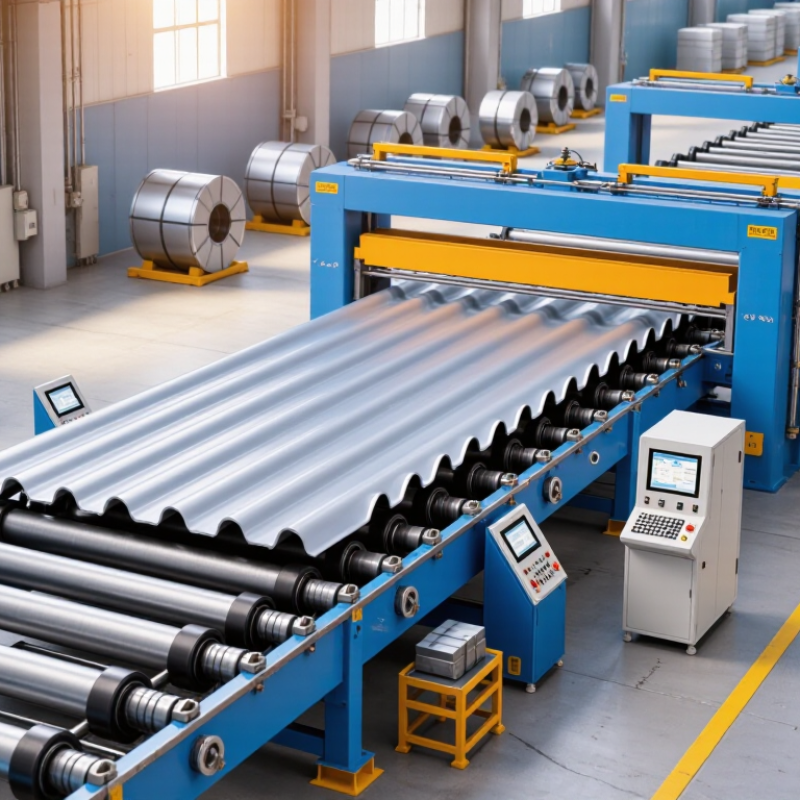
Top Purlin Bearing Rib Panel Machine Manufacturers

Purlin Bearing Rib Panel Machines: Definition and Core Functions

Top Purlin Bearing Rib Panel Machine Manufacturers

Purlin Bearing Rib Panel Machines: Definition and Core Functions

A purlin bearing rib panel machine converts flat metal coil into profiled roofing or cladding panels. Its raised ribs are shaped to sit over supporting purlins and help transfer loads to the building frame. The exact profile depends on panel design, material thickness, and the required support spacing.

A typical line uses a decoiler, leveler, roll-forming stations, and a cut-off system. Some configurations add punching or notching before cutting panels to length. At the machine, operators check rib height, panel width, and cut accuracy; a small dimensional drift can complicate installation. Small details matter.

The World Steel Association’s World Steel in Figures 2025 reports global crude steel production of 1,882.6 million tonnes in 2024. This figure describes the wider steel supply context, not demand for rib panels or machine output.

For structural decisions, the AISI S100-24 specification provides design rules for cold-formed steel members; it does not replace project-specific engineering. A setup sheet helps, but it can miss a real coil variation. Operators still need to inspect trial panels and adjust settings when measurements drift.

Key Manufacturing Technologies Used in Rib Panel Equipment

Rib panel equipment relies on controlled roll forming, accurate feeding, and consistent cutting. A decoiler supplies coil stock to a leveling unit, which reduces waviness before the material reaches the forming stations. Each roller gradually shapes the sheet, helping limit stress and surface marks. For purlin bearing ribs, roller geometry matters: small profile errors can affect fit and load transfer. The details count.

Modern machines often use servo-driven feeds, PLC controls, and sensors to coordinate line speed with the cut-off system. A flying shear can cut panels while the material moves, reducing stops during production. However, fast output is useful only when setup remains stable. Tool wear, coil thickness changes, or poor alignment may shift dimensions over a long run. A clean sample is not enough; drift can appear later. This part is easy to underestimate.

Tips: Ask how operators adjust roller gaps and verify cut length. Check sample panels from both short and extended runs, and inspect rib height with a measuring gauge. Record material thickness and line speed during trials. Small setup notes can prevent repeated adjustments, though they will not replace regular maintenance.

How Purlin Bearing Rib Panel Machines Operate Step by Step

A purlin bearing rib panel machine converts coiled steel into ribbed panels through a controlled forming sequence. World Steel Association data reports 1,888.2 million tonnes of crude steel production in 2023. That scale highlights why consistent forming matters.

The operator loads the coil onto the uncoiler and sets the strip width. A leveling unit removes coil memory and reduces edge movement. Guide rollers then center the strip before forming begins. Roll stations gradually create the bearing ribs, rather than forcing the final profile immediately. This reduces stress and surface marking. The cutting system measures the programmed length and stops the line before shearing. A run-out table supports the finished panel and prevents bending.

Real production is less tidy. Dust, coil camber, and small alignment errors can change the result. AISI S100-24 provides cold-formed steel design requirements, but it cannot correct poor machine setup. Inspectors should check rib height, panel width, cut length, and coating damage. One overlooked guide roller can spoil an entire batch.

Tips: Use a verified coil certificate and record every setup value. Check the first panel with calipers before continuous production. Keep forming rolls clean and inspect them for wear. Do not rely only on the control screen; measure the physical panel. A short trial run often reveals problems earlier.

Criteria for Evaluating Leading Machine Manufacturers

Evaluating leading purlin bearing rib panel machine manufacturers requires more than comparing prices. Examine their engineering experience with steel thickness, panel width, rib geometry, and production speed. Request sample panels made from your intended coil material. Measure rib height, hole alignment, edge straightness, and surface marks after forming.

Test the details. A reliable manufacturer should explain roller-station design, drive systems, changeover procedures, and control accuracy in practical terms. Ask for verified tolerance data, maintenance schedules, electrical drawings, safety documentation, and operator training records. Vague answers may indicate limited production knowledge. Numbers can mislead when testing conditions remain unclear.

Review factory quality controls and inspect a completed machine before shipment, when possible. Check frame welding, bearing protection, guarding, emergency stops, and cable routing. Speak with several existing users about uptime, spare-part availability, and service response during breakdowns. Strong technical support should include remote diagnosis and clear repair guidance. No machine is perfect. A manufacturer’s honesty about setup limits and previous design changes often reveals more reliability than polished claims. I would also compare a written acceptance test with actual output, because early assumptions about speed can fail on thicker or harder steel. Ask harder questions.

Applications and Maintenance of Purlin Bearing Rib Panel Systems

Purlin bearing rib panel systems support roof and wall assemblies by transferring loads into purlins, frames, or supporting beams. They are common in warehouses, workshops, agricultural buildings, and commercial structures. Ribbed panels improve stiffness while reducing material use. Proper machine forming matters because uneven ribs can create gaps, stress points, and poor water drainage.

During installation, technicians should check panel alignment, bearing width, fastener spacing, and lap direction. Follow approved engineering drawings and the applicable building code. Fasteners need compatible washers and corrosion resistance for the local climate. Sealant should remain continuous around overlaps, penetrations, and edges. Small defects spread. I have seen minor alignment errors cause visible roof waviness after several panel rows.

Maintenance should begin with a practical inspection schedule. Examine the ribs, seams, screws, flashing, and drainage paths at least twice yearly. Coastal or industrial sites may require more frequent checks. Remove leaves, dirt, and standing water without damaging protective coatings. Replace loose fasteners and cracked washers promptly. Do not guess. Confirm torque requirements from the system documentation, because excessive tightening can crush the rib or distort the sealing washer.

Look for rust near cut edges, skylights, and damaged coatings. A simple inspection record should include photographs, locations, weather conditions, and corrective actions. That record supports reliable decisions and helps maintenance teams notice recurring problems. Yet inspections are not perfect; hidden corrosion can remain beneath overlaps. When deformation, persistent leakage, or structural movement appears, a qualified engineer should assess the system before repairs continue.

Purlin Bearing Rib Panel Systems: Typical Maintenance Intervals

Recommended service intervals vary by machine design, production volume, material thickness, and operating environment. The schedule below represents common preventive-maintenance planning for roll-forming and panel-processing systems.

Shorter intervals are generally used for high-load or high-wear components such as bearings, cutting assemblies, and forming rollers. Electrical controls and safety systems are commonly inspected at least annually.

FAQS

How does a purlin bearing rib panel machine form panels?

The operator loads a steel coil, levels the strip, and centers it with guide rollers. Roll stations gradually shape the ribs. A cutter then shears the programmed length, and a run-out table supports the panel.

What should operators check before continuous production?

Run a short trial and measure the first panel with calipers. Check rib height, panel width, cut length, and coating condition. Measure the panel itself; the control screen may not reveal alignment errors.

What can cause inconsistent panel quality?

Dust, coil camber, worn rolls, or a misaligned guide roller can affect the profile. Even small setup errors may mark the surface or alter rib height. Check the actual steel, not just machine settings.

How can buyers assess a machine manufacturer?

Request sample panels made from your intended coil material. Measure rib height, edge straightness, hole alignment, and surface marks. Ask for tolerance data, maintenance schedules, electrical drawings, safety documents, and operator training details.

What should be inspected before a machine ships?

Check frame welds, bearing protection, machine guards, emergency stops, and cable routing. Review a written acceptance test against actual output. Speed claims can be misleading, especially with thicker or harder steel.

Where are ribbed panels commonly used?

They are used in roofs and walls for warehouses, workshops, agricultural buildings, and commercial structures. Their ribs add stiffness, but uneven forming can create gaps and drainage problems.

What should installers check during panel installation?

Follow approved drawings and applicable building requirements. Check panel alignment, bearing width, fastener spacing, and lap direction. Keep sealant continuous around overlaps and edges. Small errors can become visible waviness.

How should panel systems be maintained?

Inspect ribs, seams, screws, flashing, and drainage paths at least twice yearly. Check more often in coastal or industrial areas. Remove debris gently, replace loose fasteners, and confirm tightening requirements in system documents. Do not guess.

What signs may require a closer assessment?

Look for rust at cut edges, damaged coatings, persistent leaks, or panel deformation. Record locations and photographs. Hidden corrosion can remain beneath overlaps, so an inspection may miss something. Have a qualified engineer assess structural movement.

Conclusion

Purlin Bearing Rib Panel Machine is specialized equipment designed to form strong, accurately shaped rib panels that support purlins in roofing and structural systems. Its core functions typically include metal coil feeding, leveling, roll forming, rib profiling, cutting, and controlled panel discharge. Modern machines may integrate programmable controls, precision rollers, synchronized drive systems, and automated length measurement to improve production speed, dimensional consistency, and material efficiency.

The operating process generally begins with loading the coil, guiding the sheet through forming stations, gradually creating the required rib structure, and cutting finished panels to specified lengths. When evaluating manufacturers, buyers should consider machine durability, forming accuracy, production capacity, customization options, control-system reliability, safety design, technical support, and ease of maintenance. These systems are widely used in industrial buildings, warehouses, agricultural facilities, and commercial construction. Regular cleaning, lubrication, roller inspection, electrical checks, and timely replacement of worn components help maintain stable performance and extend service life.


Henry

Henry

Henry is a dedicated marketing professional with a profound expertise in the company's offerings. With years of experience in the industry, he possesses an impressive understanding of the market dynamics and consumer behaviors that drive success. Henry is committed to sharing his insights through......