5 Tips for Purlin Bearing Rib Panel Roll Forming Machine

Time:2026-09-16 Author:Charlotte
0%

Choosing the right Purlin Bearing Rib Panel Roll Forming Machine affects panel accuracy, production speed, and long-term reliability. It is not simply a matter of selecting the fastest machine available. Coil thickness, rib geometry, bearing requirements, and material strength must match the intended panel design. Small errors matter.

In practical production, operators often notice problems at the forming stands first. Misaligned rollers can create uneven ribs, scratched surfaces, or inconsistent panel widths. A poorly adjusted decoiler may also introduce tension before forming begins. This guide presents five practical tips for evaluating and operating a Purlin Bearing Rib Panel Roll Forming Machine. The advice reflects common workshop experience, equipment specifications, and quality-control needs. Each tip focuses on a detail that can influence daily output.

Reliable results require more than technical specifications. Check roller material, shaft rigidity, drive control, and emergency protection before installation. Confirm that the machine supports your actual coil width and thickness. Do not rely only on supplier photographs or general catalog claims. Request test-forming records when possible. Measure finished panels with calibrated tools, not visual judgment alone.

The details decide.

I have seen production teams adjust speed before correcting roller alignment. That approach usually creates more waste. A slower trial run often reveals problems earlier and protects the panel surface. Maintenance records also deserve attention. They show whether performance is stable or merely acceptable during demonstrations. Some recommendations may need refinement for unusual profiles, heavier gauges, or demanding site conditions. Always compare this guidance with the manufacturer’s manual and applicable project requirements.
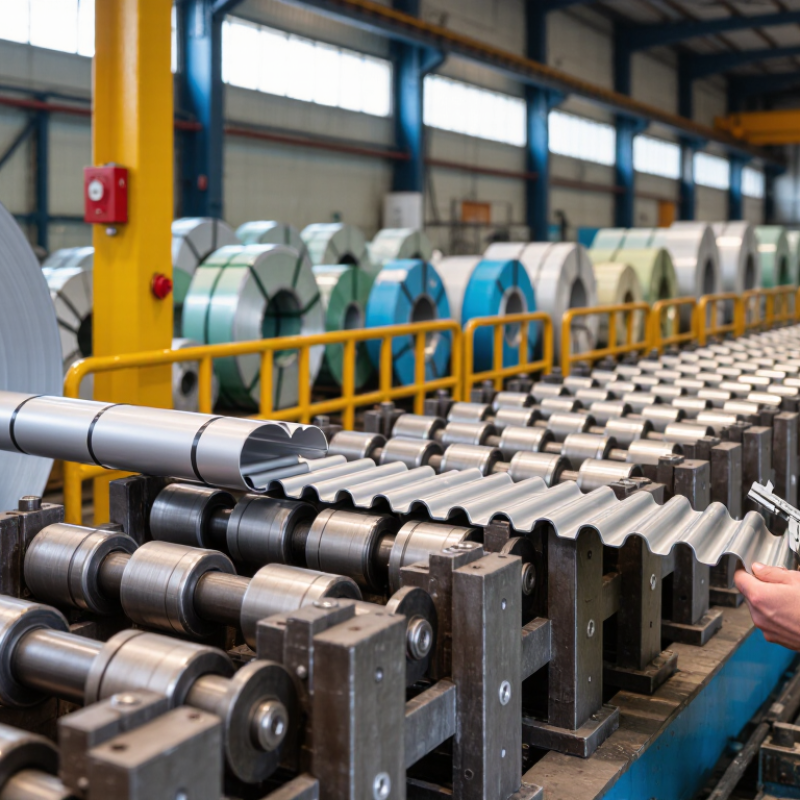
5 Tips for Purlin Bearing Rib Panel Roll Forming Machine

Understanding Purlin Bearing Rib Panel Requirements

5 Tips for Purlin Bearing Rib Panel Roll Forming Machine

Understanding purlin bearing rib panel requirements starts with the building layout. Check the purlin spacing, panel span, rib height, and required support width. These dimensions determine the forming profile and machine setup. Measure twice. Small errors matter.

In practical production, panel thickness and steel grade affect roll pressure, shaft loading, and feeding stability. Galvanized steel may need careful alignment to prevent surface scratches near the ribs. Set the guide rollers gradually, then inspect the first panel with a gauge. The rib should remain straight, while the bearing section must sit firmly on the purlin. A loose fit can cause movement during installation.

Cutting accuracy also deserves attention. The panel length should match the project drawings, not only the machine display. Confirm the cut-off position after several test cycles. Temperature, coil tension, and operator adjustments can change results. I have found that a visually clean panel may still hide a width error. That is easy to miss. Record actual measurements, including rib spacing and edge clearance. If the first setup feels rushed, stop and review it. Reliable forming depends on repeatable checks, not confidence alone.

Selecting the Right Roll Forming Machine Configuration

Selecting the right roll forming machine configuration begins with the panel specification, not the advertised line speed. Confirm the rib profile, panel width, steel thickness, yield strength, and required purlin bearing depth. A shallow rib may need fewer forming stations, while a deeper profile usually needs gradual shaping to prevent surface marks and edge distortion.

Check the entry guide, shaft diameter, roll spacing, and drive capacity together. High-strength galvanized steel can expose weak tooling quickly. A servo-controlled punching unit is useful when holes must align with purlins, laps, or fastener positions. The cut-off system should leave clean ends without bending the panel. Ask for trial runs using your actual coil material. Sample photos are not enough.

Small details matter. Measure the first finished panel with calipers, not only the control screen. Inspect rib height, flange width, hole position, and panel straightness. In production reviews, operators often focus on speed and overlook coil centering. That mistake creates waste. More stations can improve forming quality, but they also increase maintenance and setup time. I would rather choose a stable line than chase maximum output. Still, this judgment can change when order volumes rise. Leave room for future tooling, automatic stacking, and profile changes. Verify electrical safety, guarding, documentation, and local installation requirements before approving the configuration.

Preparing Materials and Machine Settings

5 Tips for Purlin Bearing Rib Panel Roll Forming Machine

Preparing Materials and Machine Settings

Material preparation controls the entire roll forming process. The World Steel Association reports 1,892.2 million tonnes of crude steel production in 2023. That scale highlights a practical truth: steel quality varies by supplier, coil, and batch. Confirm thickness, yield strength, width, and coating before loading the decoiler. Record each coil number. Check the edge for dents, rust, and uneven trimming. A clean, dry coil feeds more steadily.

Tip 1: Measure the strip with a calibrated micrometer at several points. Small thickness changes can alter rib height and panel width.

Tip 2: Set the entry guides to the actual coil width, not the drawing value. Leave only minimal side clearance. Excessive clearance encourages wandering and edge damage.

Before production, inspect every forming station and remove metal chips from the rollers. Set roller gaps gradually, using the manufacturer’s forming sequence and the required panel profile. Excessive pressure can mark the coating or create hidden stress.

The American Iron and Steel Institute’s S100 specification emphasizes consistency in cold-formed steel design; consistent machine settings support that principle on the factory floor. Check line speed, cut-off timing, and encoder accuracy together.

A short trial run is useful. Still, I sometimes overtrust the first successful panel. That is a mistake. Measure three consecutive panels, including rib height, pitch, and diagonal difference, before full production.

Managing the Panel Roll Forming Process

Managing the Panel Roll Forming Process

A stable panel starts with controlled material. The World Steel Association’s World Steel in Figures 2024 reports 1,892.6 million tonnes of crude steel production in 2023. That volume does not guarantee consistent coils. Check thickness, width, surface rust, and edge damage before loading. Small variations can change rib alignment.

Set the purlin bearing rib panel roll forming machine gradually. Confirm the entry guide before increasing speed. Keep the coil centered, and watch the first three metres closely. Excessive tension may stretch the sheet. Uneven pressure may create wavy edges. No recipe survives every coil. That is where operators must think, not only follow settings.

Use a simple inspection rhythm. Measure panel width, rib height, cut length, and hole position at regular intervals. Record the results beside line speed and material batch. The World Robotics 2024 report recorded 541,302 new industrial robot installations in 2023, showing the industry’s shift toward automated handling and inspection. Automation helps, but dirty sensors still produce bad decisions. Clean them. Listen for unusual vibration, inspect tooling wear, and stop early when burrs appear. In practice, teams often adjust speed first, although correcting alignment may solve the real problem. Review that habit after every production run.

Maintaining Quality, Safety, and Machine Performance

5 Tips for Purlin Bearing Rib Panel Roll Forming Machine
Maintaining Quality, Safety, and Machine Performance
Tip 1:
Inspect the forming rollers before every shift. Remove metal dust, check fasteners, and look for uneven wear. Small scratches can mark the panel surface. Measure the finished rib width regularly. Do not trust appearance alone.
Tip 2:
Keep material alignment stable. A purlin bearing rib panel depends on consistent feeding and controlled tension. Adjust guides while the machine is stopped. Never reach into moving rollers. Use guards, emergency stops, and approved protective equipment every time. Safety habits can feel repetitive, but repetition prevents serious mistakes.
Tip 3:
Follow a documented maintenance schedule. Lubricate moving parts with the specified product and inspect chains, bearings, shafts, and electrical connections. Excess lubricant can attract dust, so more is not always better. Record unusual vibration, noise, or temperature changes. These details help technicians find problems earlier.
Tip 4:
Confirm setup measurements before production. Check coil width, panel thickness, roller spacing, and cutting length. One wrong measurement may create waste throughout the batch. Trial pieces are useful, although operators sometimes skip them under pressure.
Tip 5:
Train operators to stop and question abnormal results. A slight twist may indicate misalignment, worn tooling, or unsuitable material. Do not correct defects by forcing the panel. I have found that rushed adjustments often create larger problems. Review inspection records weekly, and revise procedures when experience exposes a weak point.

FAQS

What measurements should be confirmed before choosing a panel roll forming machine?

Check purlin spacing, panel span, rib height, panel width, and bearing depth. These dimensions determine the forming profile and machine setup. Measure twice. Small errors matter.

How does material affect the forming process?

Panel thickness and steel grade affect roll pressure, shaft loading, and feeding stability. High-strength galvanized steel may expose weak tooling. Check coil thickness, width, rust, and edge damage before loading.

How can surface scratches near the ribs be reduced?

Align galvanized coils carefully before forming. Set guide rollers gradually, rather than forcing the sheet into position. Inspect the first panel for scratches, straight ribs, and edge distortion.

How should the machine be adjusted during startup?

Confirm the entry guide and center the coil before increasing speed. Watch the first three metres closely. Excessive tension can stretch the sheet. Uneven pressure can create wavy edges.

What should be checked on the first finished panel?

Measure rib height, flange width, panel width, cut length, and hole position. Use calipers and gauges, not only the control screen. A clean-looking panel may still hide a width error.

How can cutting accuracy be maintained?

Compare actual panel length with the project drawings. Confirm the cut-off position after several test cycles. Temperature, coil tension, and operator adjustments can change the result.

When are more forming stations useful?

More stations can shape deeper ribs gradually and reduce surface marks. However, they increase maintenance and setup time. A stable line may be better than maximum speed.

How should production quality be monitored?

Measure width, rib height, cut length, and hole position at regular intervals. Record each result with line speed and material batch. Clean sensors. Listen for unusual vibration. Stop when burrs appear.

What common operating habit deserves reconsideration?

Teams often increase speed when defects appear. The real problem may be coil alignment, guide pressure, or tooling wear. I have made that assumption too. Review the cause before changing speed.

Conclusion

A Purlin Bearing Rib Panel Roll Forming Machine is designed to produce strong, accurately shaped panels that support reliable connections in structural applications. Successful production begins with understanding the required panel profile, dimensions, rib spacing, material type, and load conditions. Selecting the correct machine configuration, including forming stations, guide systems, cutting equipment, and control functions, helps ensure stable operation and consistent results.

Before production, operators should prepare suitable materials, verify thickness and surface condition, and set the machine according to the required specifications. During roll forming, proper alignment, controlled feeding, and regular monitoring can reduce deformation, scratches, and dimensional errors. Quality checks should be performed throughout the process, while safety procedures must always be followed. Routine cleaning, lubrication, inspection, and timely adjustment of components will help maintain machine performance, extend service life, and support efficient, dependable panel production.


Charlotte

Charlotte

Charlotte is a seasoned marketing professional with a deep understanding of the company's portfolio and a passion for elevating its presence in the market. With a keen eye for detail and a commitment to excellence, she ensures that our professional blog is regularly updated with insightful articles......